Dubroff: Why Lee Cole remains a force in the avocado industry
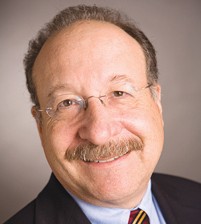
Calavo CEO Lee Cole’s second retirement comes as the Santa Paula-based company’s board of directors is weighing a buyout offer and looking at other alternatives.
It was just a few years ago that Cole, who built the modern Calavo into a world leader in distributing avocados, guacamole and fresh food distribution, stepped back into the role of CEO. And his recovery plan seemed to be on track until the nature of trade with Mexico underwent a dramatic reversal.
Instead of a relatively orderly process of bringing Mexican avocados into the U.S. when California fruit isn’t available, Calavo has said that delays in getting fruit across the border, staffing issues at the Department of Agriculture and other issues hurt results earlier this year.
The problems almost certainly eased as California avocados became available this summer, but the uncertainty has been enough to send Calavo’s stock below $20 per share; the announcement that director and former CFO John Lindeman will take over on December 8 sent the stock even lower.
Calavo, along with Mission Produce and Limoneira, are unique in that all three are public companies, giving investors, community members and the press a look at citrus, avocados and agribusiness in general every time they report results. Calavo was the first to go public and I admire the company that Cole, now in his mid-80s, built around his vision that avocado consumption in the U.S. and worldwide was destined to multiply for years and years.
That vision, his leadership role in Santa Paula and his family’s substantial avocado growing operations in West Ventura County are among the reasons why he is a member of the Business Times Hall of Fame.
But by the numbers, it looks possible that Calavo could be headed for private ownership or acquisition by a larger agribusiness. A quick look at the financials shows that Calavo has been building cash and paying down debt.
It now has very little debt on its books and according to Yahoo Finance, it has more than $3.00 per share or about $60 million in cash, which means that roughly 15% of its market value is now held in highly liquid securities.
Lindeman was well-respected as the company’s CFO, and he has a background as a financial analyst. He should be able to figure out the best deal for shareholders — and drive a hard bargain if a sale or going private transaction is the best option. When it announced the unsolicited offer earlier this year, Calavo said that its strategic review “may or may not result in a transaction.”
It may be useful to remember that last year, Limoneira, whose historic headquarters building is also home to Calavo’s HQ, went through its own strategic review last year and its board decided to remain independent. However, in that case, CEO Harold Edwards remained in his post and the company made a number of strategic decisions, including rejoining Sunkist for the distribution of global lemon growing and packing operations.
Calavo grew out of a cooperative formed by Ventura and Santa Barbara County avocado growers who wanted to control and manage the distribution of avocados, then largely a seasonal product, across the country. Under Cole’s leadership, Calavo helped create a year-round supply chain for avocados and it grew substantially, expanding into fresh food processing as well as distribution.
But the 2020s are bringing substantial changes to all sorts of global supply chains and avocados are no exception. Domestic growers have been benefiting from disruption at the border and agricultural tariffs, although they still have to contend with a tight labor supply and the disruptive effect of ICE raids.
Looking ahead, the region’s avocado industry, once a bedrock of its agricultural sector, is undergoing a period of transition. Production will likely increase, as will automation and efficiency when it comes to water and land use.
It should be stated that Cole remains one of the largest individual shareholders in Calavo, with around 615,000 shares worth an estimated $15 million. And, as such, he will have a measure of voting control over what happens to the company, even if he’s not actively involved in management.
Calavo is a systemically important company for the region. What happens next will tell us a lot about the future of agribusiness on the Central Coast.
Henry Dubroff is the founder, owner and editor of the Pacific Coast Business Times. He can be reached at [email protected].